Nobody teaches a child to love a sport. There’s no lesson, no sit-down conversation. It arrives sideways, through a Saturday afternoon on the sofa, a Six Nations weekend that reorganises the whole house, a set of golf clubs that’s been propped by the back door every summer for as long as anyone can remember. The child doesn’t choose it. They’re simply in it, again and again, until one day it belongs to them too.
That’s true whether the tradition is fifty years old or started the day this baby was born.
Two kinds of family, one legacy
Some households have generations behind them – a grandad’s old shirt, a decades-held seat at the same ground, a set of clubs passed down a generation early, a running joke from a tennis trip nobody outside the family finds funny. For these families, a baby doesn’t start the tradition. They join one already in motion.
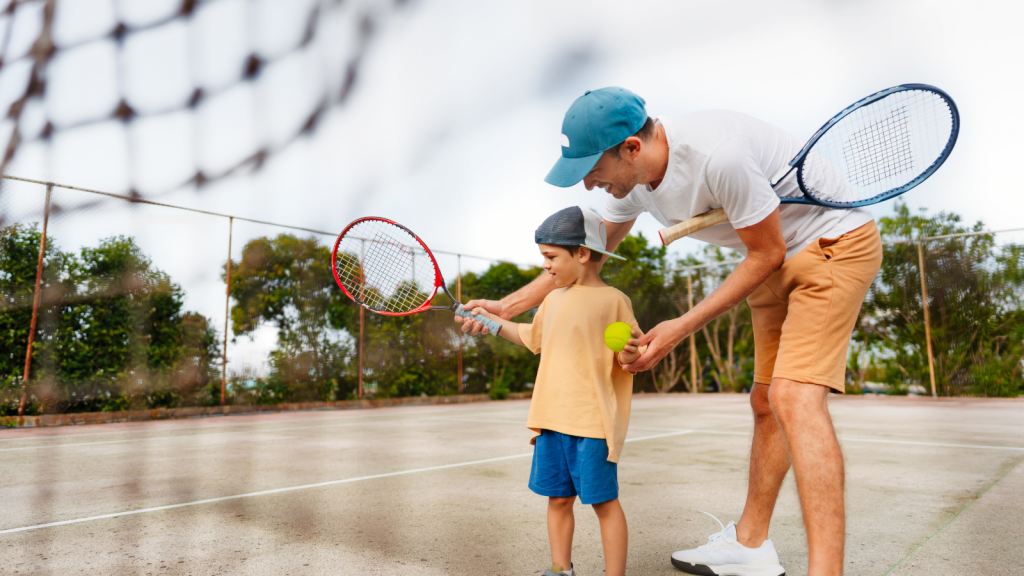
Other households are starting from nothing. Maybe one parent grew up completely outside sport and only fell for it as an adult. Maybe the family’s love of rugby, tennis, or Formula 1 is only a few years old itself. There’s a quiet myth that a “real” sporting family needs three generations of history before any of it counts. This is simply not true. A tradition has to start somewhere. Most of the oldest ones did too, once, with a single person who decided this mattered enough to pass on.
Both versions of this story end up in the same place: a child growing up inside something that gives them a sense of belonging. One family is continuing a legacy. The other is founding one. Neither is the lesser version.
“You don’t inherit a love of the game. You’re just given enough time inside it to catch it.”
What actually gets inherited
Ask three generations of the same sport-mad family what’s been passed down, and “the sport” is rarely the honest answer.
More often it’s the ritual – the same seats, the same pre-match routine, the same walk to the ground, the course, or the club, three generations running. Sometimes it’s the language: nicknames for long-retired players, a caddie’s old joke that still gets repeated on every family golf trip, a specific way of saying “here we go” that means nothing to outsiders and everything to insiders. Sometimes it’s just an excuse to be in the same room, or on the same course, at the same time, every week, without having to explain why.
The sport itself is almost incidental. What’s really being handed down is a shared vocabulary and a sense of belonging to something bigger than any one Saturday.
The moment it becomes your job
Something shifts the day you become a parent. You go from being the person the tradition was passed to, to being the person responsible for passing it on and that responsibility tends to arrive with a quiet, rarely-admitted anxiety: what if it doesn’t take?
It’s worth saying plainly: that fear is common, and it’s mostly unfounded. Sporting identity doesn’t need a baby’s early enthusiasm to survive. It needs presence, the same slow accumulation that built it in you, whether you were the tenth generation or the first, will very likely build it in them too. Not because you’ll insist on it, but because you’ll be there, week after week, without really trying.
What changes first isn’t the child’s relationship to the sport. It’s the parent’s. You catch yourself narrating a match, a round, or a race to someone who can’t understand a word. You find yourself already picturing the first time they’ll watch properly beside you, not just on you.
The objects that carry the weight
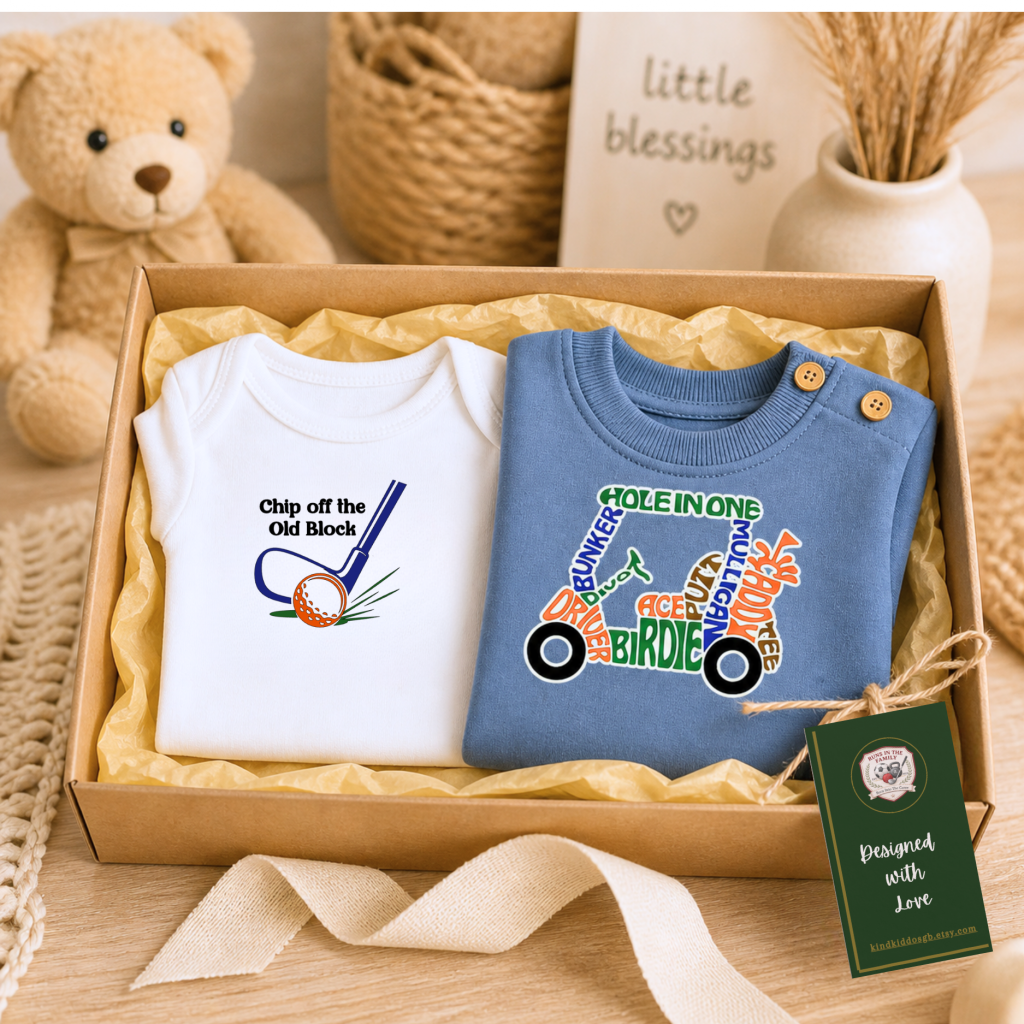
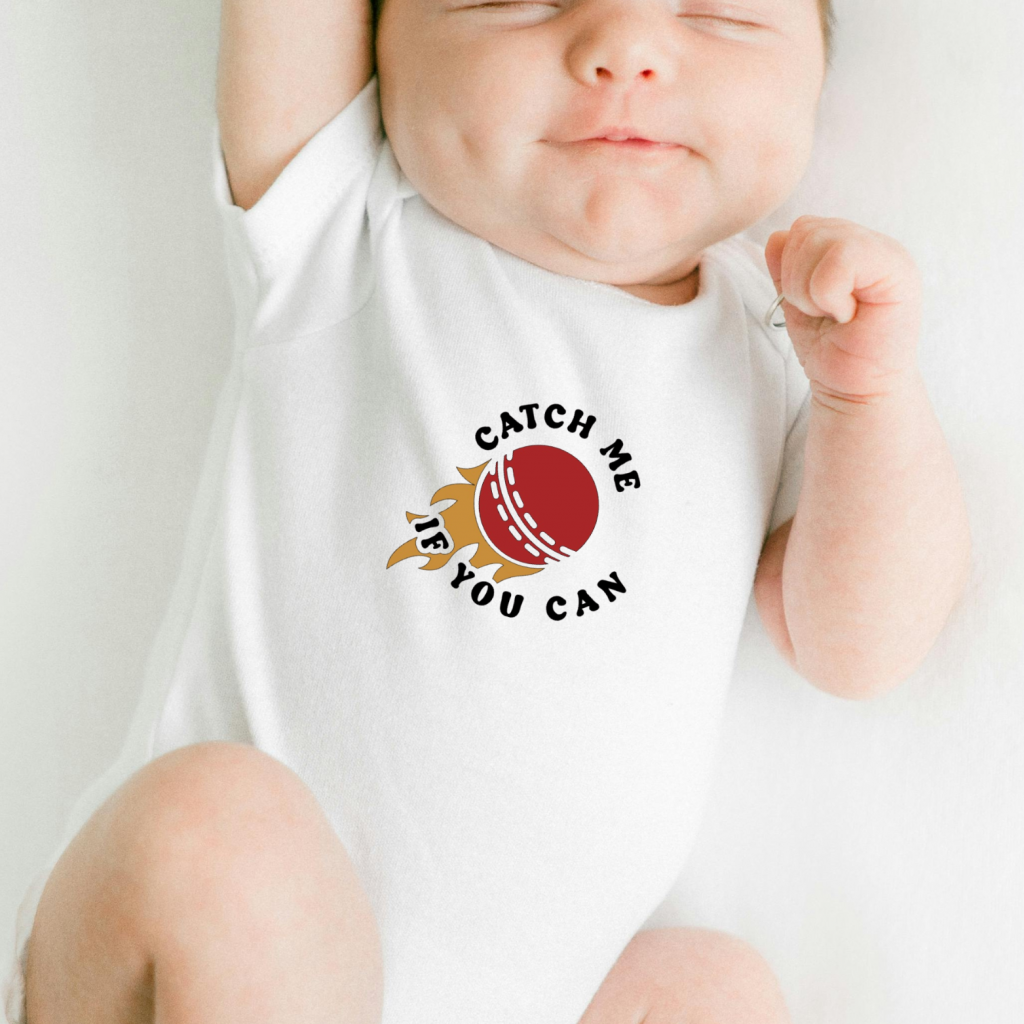
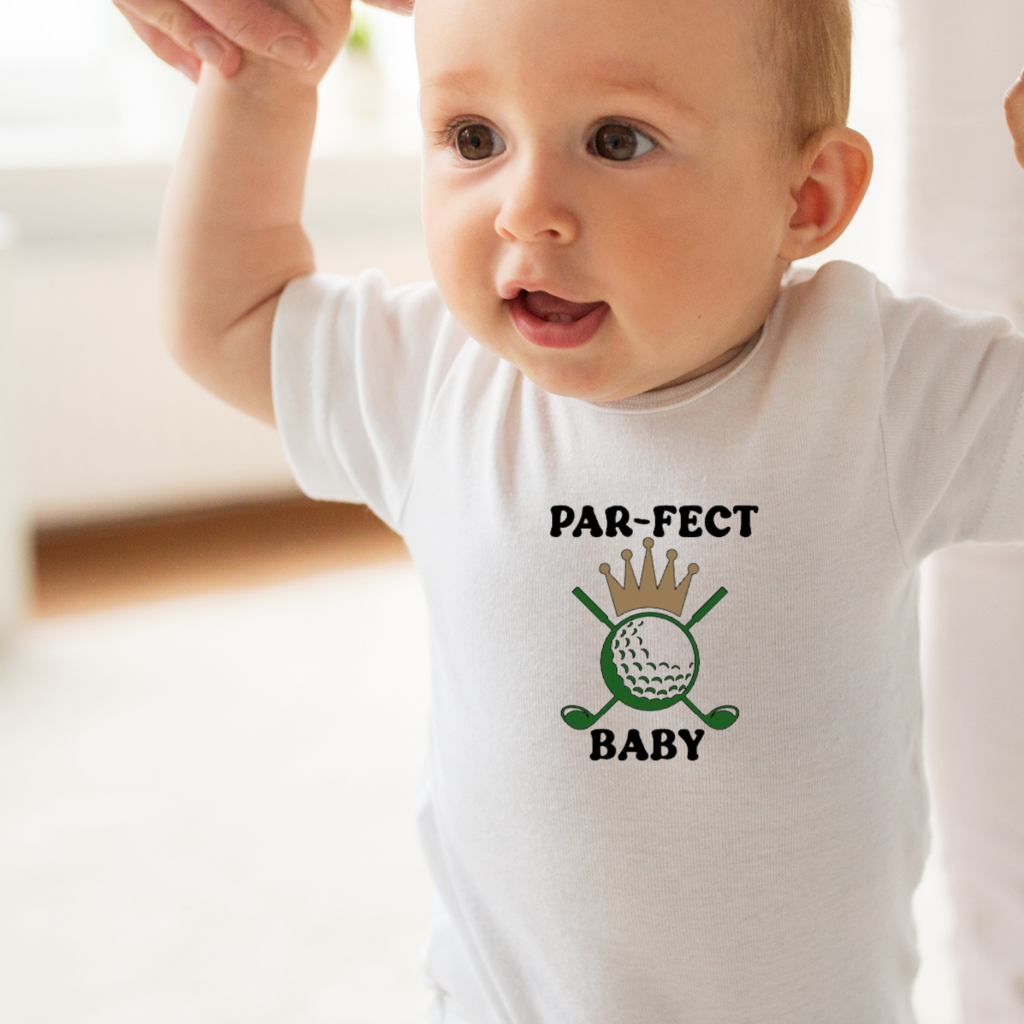
Every family that does this well seems to land on a handful of physical things that carry more meaning than their size suggests. A first kit, a ticket stub from a match or a round they’ll never remember, a blanket or bodysuit marked with a name and a number, so the family’s story and the child’s own are written in the same sentence from day one.
These objects don’t create the legacy. The years of proximity do that. But they mark the start of it, a way of saying, out loud and early, this is who you’re born into, long before the child is old enough to understand the sentence. Years later, most of these things end up folded in a drawer or framed on a wall, kept not because they were expensive, but because they were the first proof the story had already begun.
Grandparents, and the generation nobody plans for
The parent-to-child version of this is the obvious story. The one that gets missed is the grandparent’s.
Grandparents are often the ones who did the original teaching, a generation ago, without either side knowing it counted as teaching at the time. There’s something genuinely moving about watching that same person get a second run at it, narrating a match, a round, or a race to a grandchild the way they once narrated it to their own child, closing a loop that started decades before this baby existed. Families who make space for that, a grandparent taking a new grandchild to their first match, their first round, or their first race, tend to describe it as one of the more unexpectedly emotional parts of early parenthood.
What’s actually being passed down
Strip away the shirts, the seats, the rituals, the objects, and what’s left is simpler than any of them: the sense of belonging to a story that started before you and won’t end with you either. Sport is just an unusually good vehicle for that feeling. It repeats every week. It has its own calendar, its own language, its own highs and lows a family can move through together, whether they’ve been doing it for three generations, or they’re the ones starting the first one.
That’s the idea behind Runs In The Family – Born Into The Game – not that a love of sport can be scheduled or manufactured, but that it’s already being built, quietly, in all the moments a family doesn’t think to write down. A name on a bodysuit doesn’t create that legacy. It just says it out loud, a little earlier than the rest of the story usually gets told.
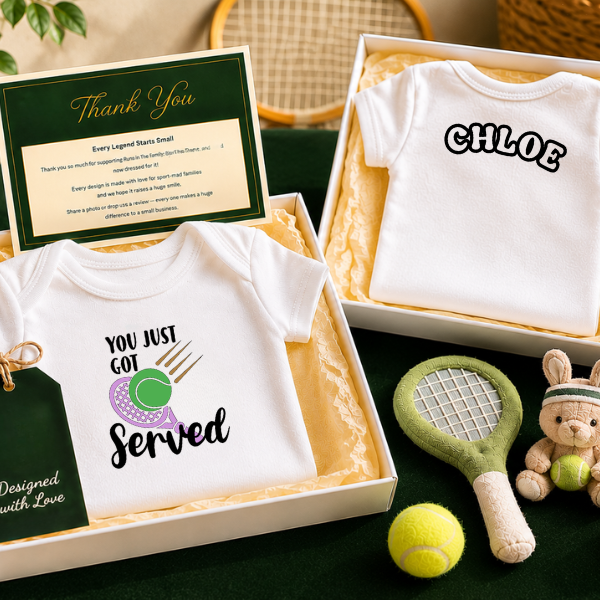
If you’re marking the start of that story for a child in your life, our personalised bodysuits and gift sets are built around exactly this idea – a name, a sport, a family’s history, designed into the very first thing they’ll wear into it.
Leave a Reply